
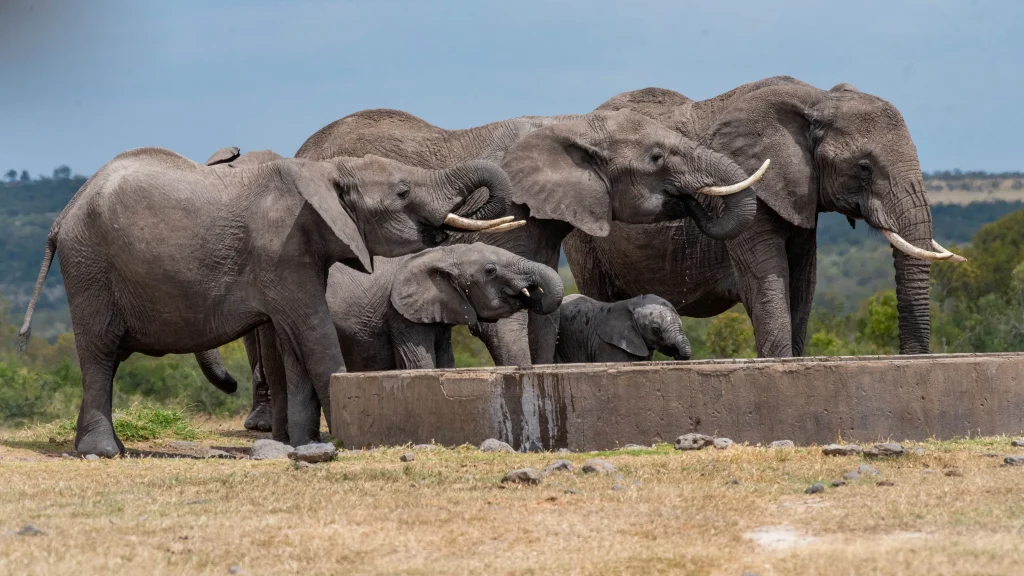
Water is easy to take for granted until it isn’t there. For Ol Pejeta, and for the wildlife and communities that depend on it, water security isn’t a nice-to-have. It’s the foundation everything else is built on.
That’s why, back in 2019, we developed a 20-year Water Master Plan, a long-term, considered response to a problem that isn’t going away: climate change and the increasingly severe droughts affecting our region.
Why we needed a plan
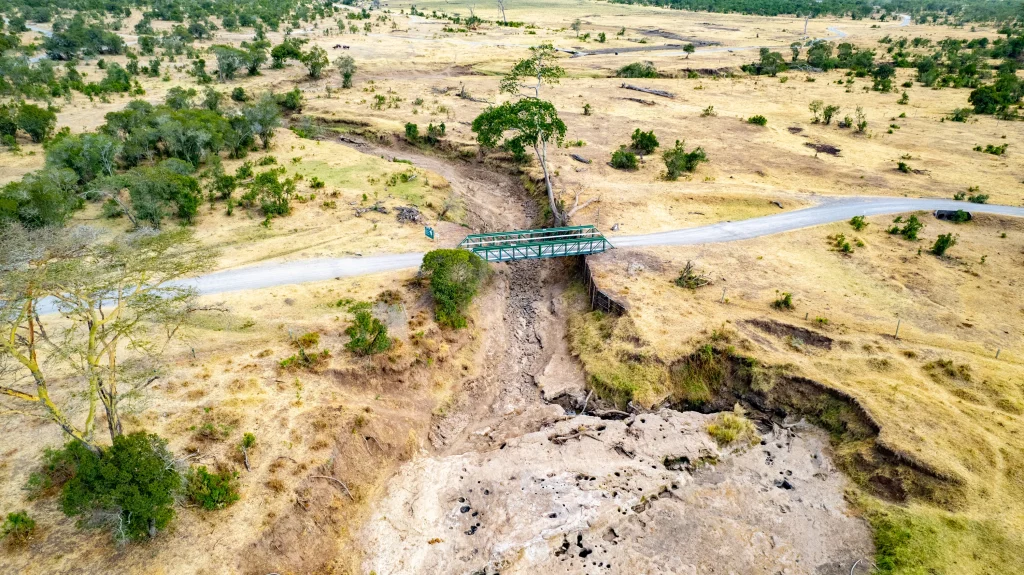
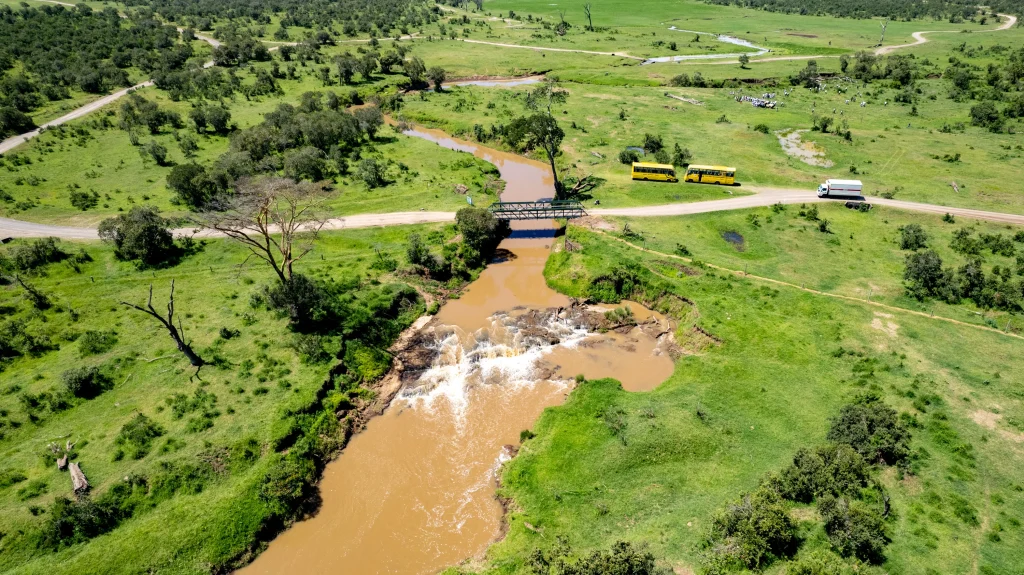
For years, Ol Pejeta relied heavily on the Ngobit River for our water supply. It’s a beautiful, vital resource, but relying on it so heavily left us exposed in ways we couldn’t ignore.
We had no control over what happened upstream, be it changes in rainfall, land use, or simply the pressure on the river from other users. Further downstream, we were acutely aware that communities depend on that same river for their own water needs. Taking too much, or managing our use poorly, wasn’t just a risk to us. It was a risk to everyone connected to that water source.
So we asked ourselves a hard question: what happens if the river isn’t enough? And more importantly, what can we do about it now, rather than waiting for a crisis to force our hand?
The answer was a comprehensive, long-term plan to diversify and strengthen our water infrastructure, so we’re no longer so dependent on a single source.
What’s the plan?
The Water Master Plan covers a lot of ground, quite literally. Here’s what we’ve been doing.
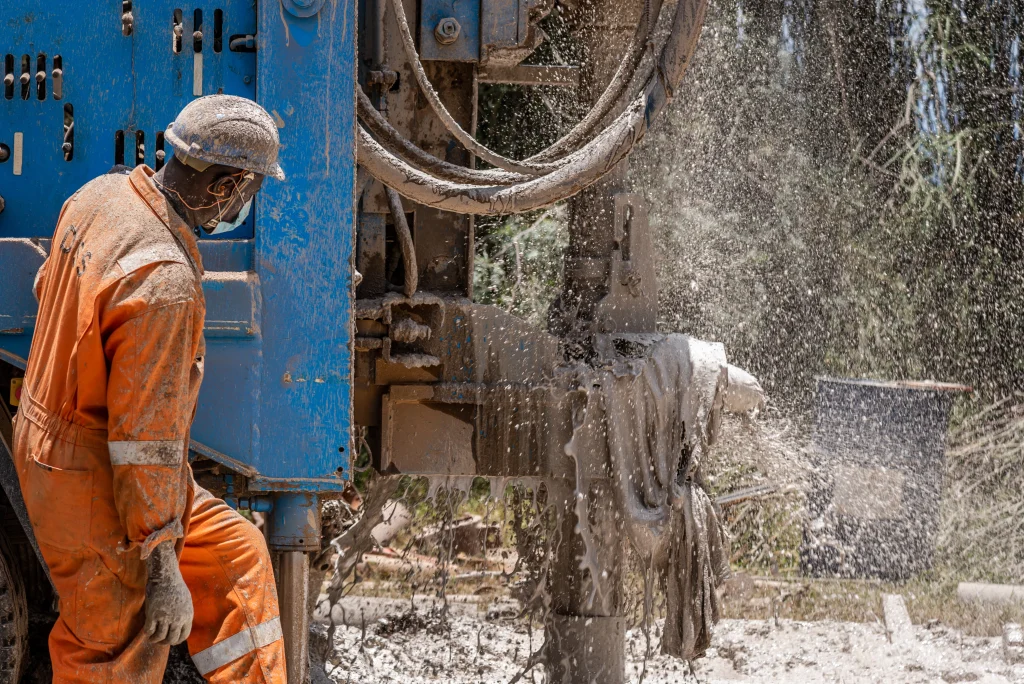
We’ve been restoring existing boreholes and installing new ones to tap into underground water reserves, giving us a source that isn’t as vulnerable to surface-level drought conditions. The boreholes and pumps are solar powered, so they can run throughout the day without relying on grid electricity or fuel.
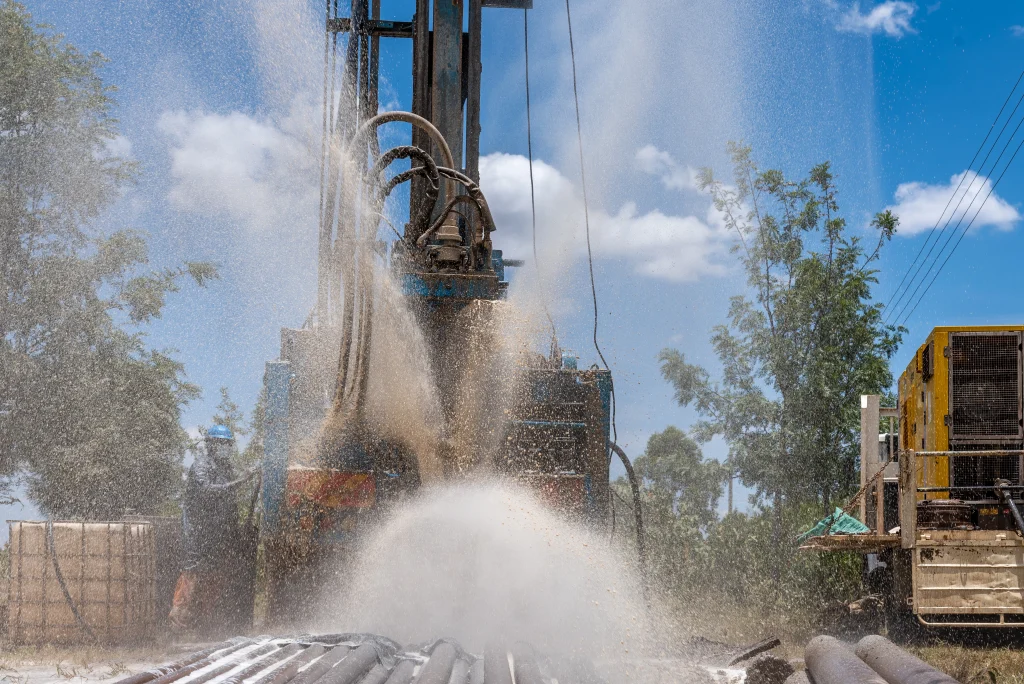
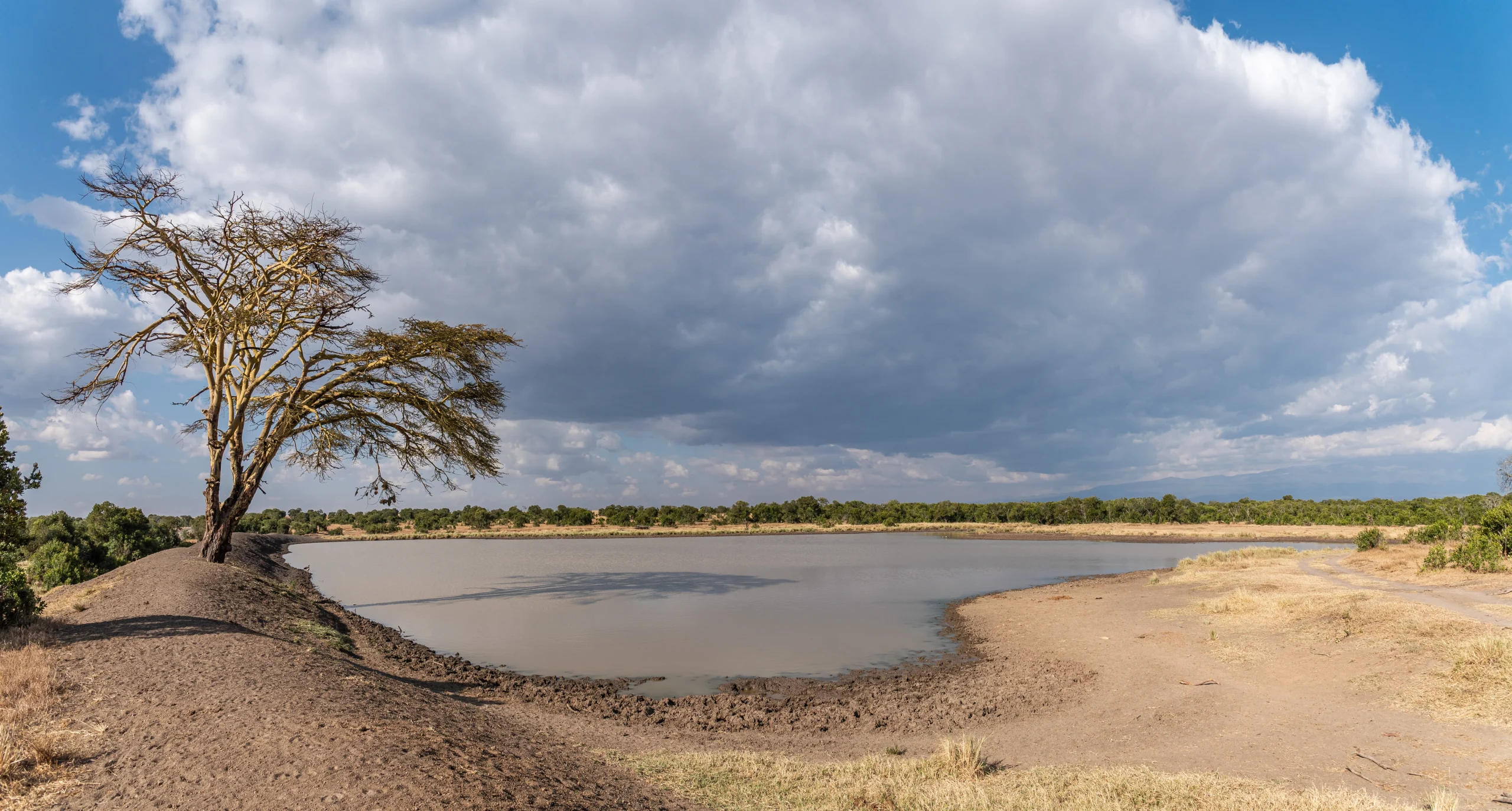
Diversifying into surface water is a key part of the plan too. By repairing old dams and building new ones, we’re able to capture the extra rainfall that falls in the wet seasons and hold onto it, so that water carries us through the dry periods rather than being lost. It’s already paying off: in February 2026, a month that would normally bring real water stress, we didn’t experience any at all, thanks in large part to the water we’d banked in our dams.
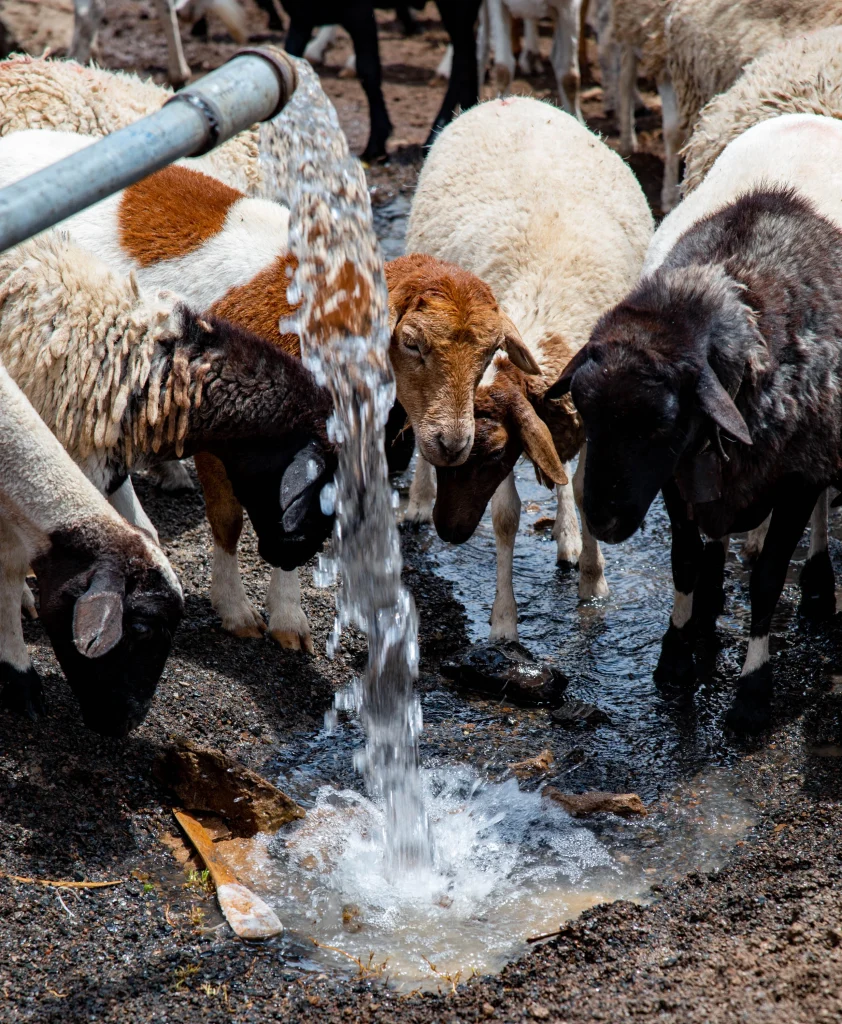
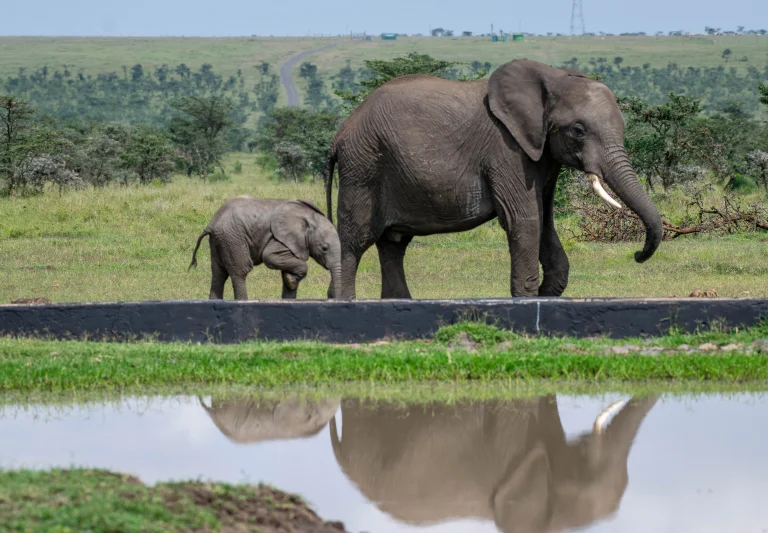
None of this water is useful if it can’t get to where it’s needed, so we’ve built out a pipe network to move water to storage tanks and to troughs for wildlife across the conservancy. To protect the pipe network itself, we’ve buried pipes three feet underground, deep enough that elephants can’t get to them and break them.
We’ve set ourselves a target of replacing 60km of pipeline by the end of 2026, a significant chunk of work towards a more resilient system. We will also be installing smart meters and monitors across the system to track water levels in real time, and to flag up any damage or blockages before they become bigger problems. In a system this large, spread across such a vast landscape, that kind of early warning is invaluable.
All of this is done within strict regulatory guidelines, to make sure we’re never overusing the water supply or obstructing access for the wider area. Water security for Ol Pejeta can’t come at the expense of the communities and ecosystems around us. And it isn’t only about fixing what already exists: any new construction on the conservancy, whether that’s offices or guest lodges, now includes rainwater harvesting as standard. It’s a simple principle: every new building should contribute to our water resilience, not just draw from it.
Why it matters
This isn’t just about pipes and boreholes. It’s about making sure Ol Pejeta can keep doing what it does best: protecting wildlife, supporting local communities, and standing up to a changing climate, for decades to come.
A 20-year plan is a long commitment, but that’s exactly the point. Water security isn’t something you fix overnight. It takes sustained investment, careful engineering, and a genuine respect for everyone and everything that shares this landscape with us.
We’ll keep sharing updates as the plan progresses, from pipeline milestones to the (occasionally elephant-shaped) challenges along the way.
Written By Sam Miller