
On a quiet night at Ol Pejeta Conservancy, the future of conservation is unfolding on a bank of screens.
Inside the Digital Operations Room, teams monitor a landscape of approximately 90,000 acres, bringing together information from cameras, sensors, tracking devices and ranger teams in real time. A movement near a fence line. An unusual heat signature detected in darkness. A message from a ranger in the field. Every piece of information helps conservation teams make faster, smarter decisions.
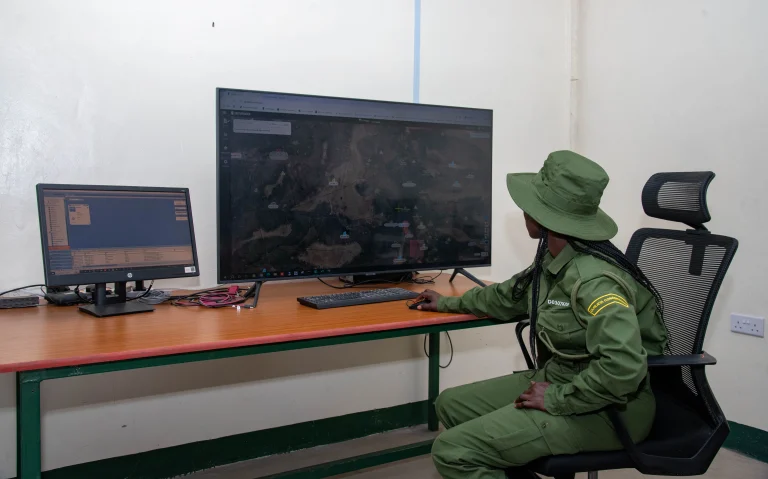
This is not science fiction. It is the new reality of protecting wildlife in the 21st century.
Ol Pejeta is emerging as one of Kenya’s leaders in conservation technology, using digital innovation to improve wildlife protection, strengthen operations and create a more connected approach to conservation.
Protecting some of the world’s most endangered animals
The need for innovation has never been greater.
Ol Pejeta is home to some of the planet’s most threatened species, including 190 critically endangered eastern black rhinos, the last two northern white rhinos, elephants, Jackson’s hartebeest, Grevy’s zebras, lions, chimpanzees and many other species.
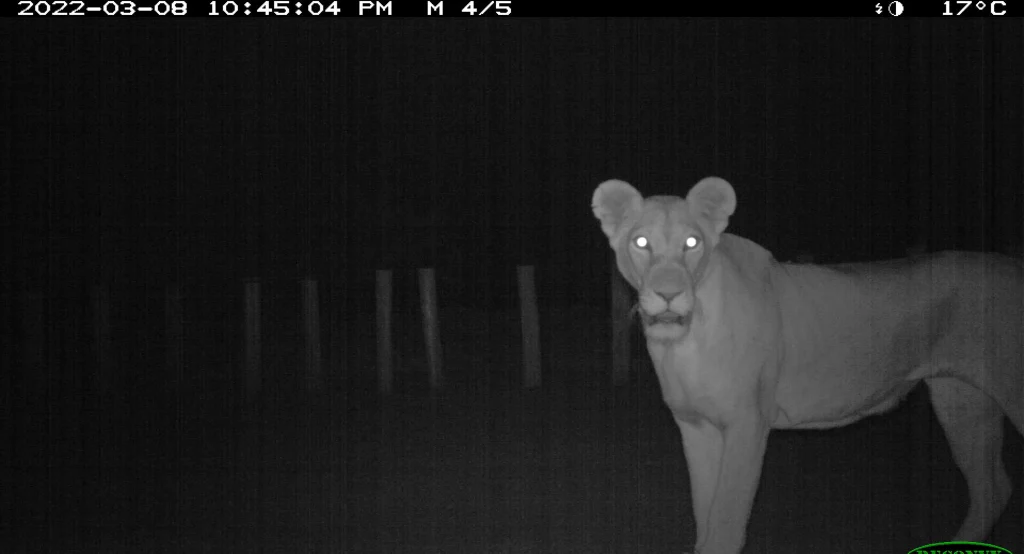
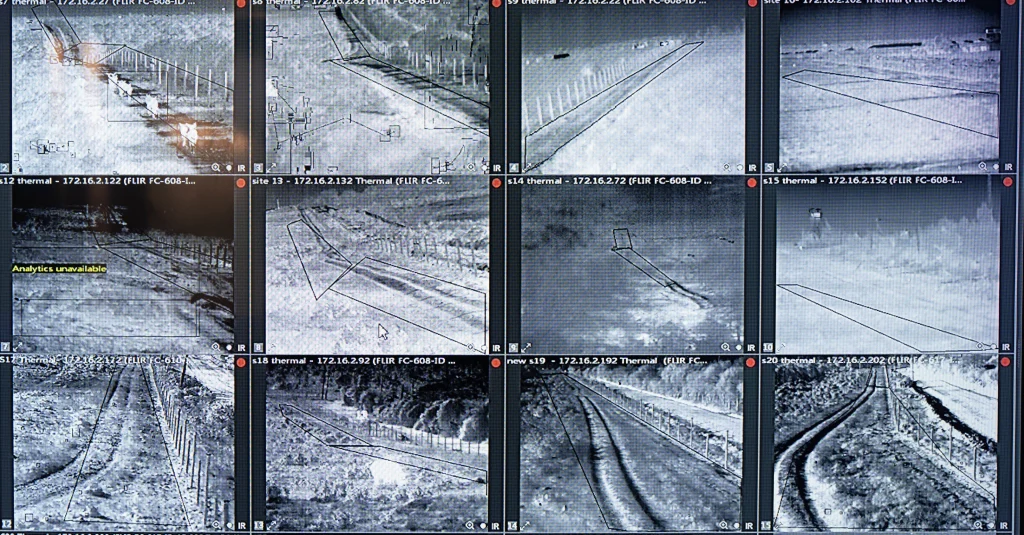
Protecting these animals requires constant vigilance.
Rhino horn remains highly valuable on illegal markets, creating a continuing threat to rhino populations. Other pressures include habitat loss, human-wildlife conflict and illegal hunting, including the demand for bushmeat in some areas.
For a conservancy covering tens of thousands of acres, traditional patrols alone cannot provide the complete picture needed to protect wildlife effectively. The future of conservation depends on combining the knowledge of rangers with the power of technology.
EarthRanger: the digital nervous system of conservation
At the centre of Ol Pejeta’s innovation programme is EarthRanger, a platform designed specifically for wildlife protection and protected-area management.
EarthRanger acts like a digital nervous system for the conservancy. It connects information from multiple sources, including wildlife tracking devices, ranger teams, cameras and security systems, bringing everything together into one operational picture.
This allows teams to understand what is happening across the landscape in real time: where animals are moving, where teams are deployed and where potential risks may be emerging.
The result is faster responses, better decisions and more effective conservation.
Technology does not replace rangers, it gives them a powerful new set of tools.
From thermal cameras to smart fences: innovation in action
EarthRanger is part of a wider technology ecosystem that is helping position Ol Pejeta at the forefront of conservation innovation in Kenya.
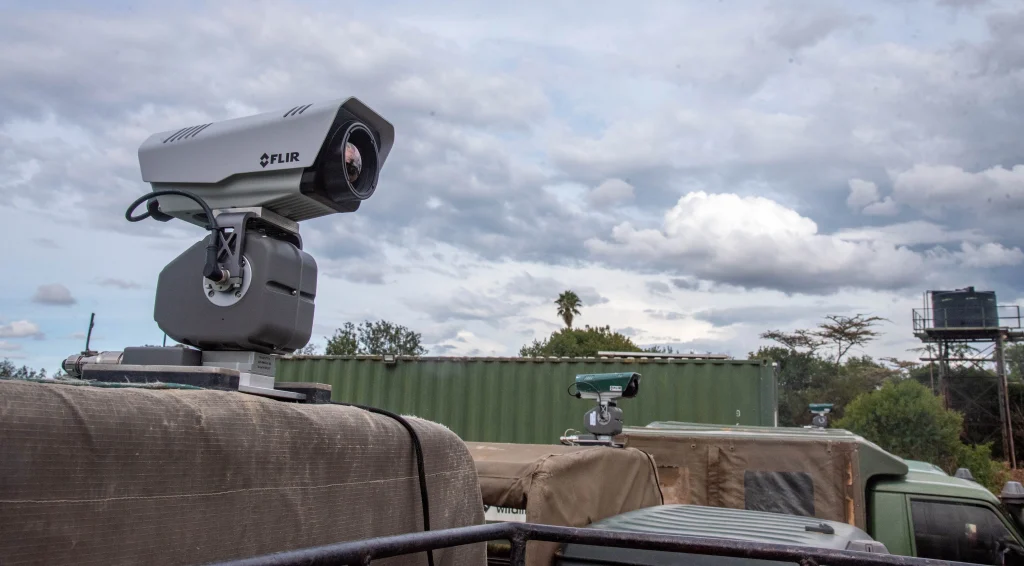
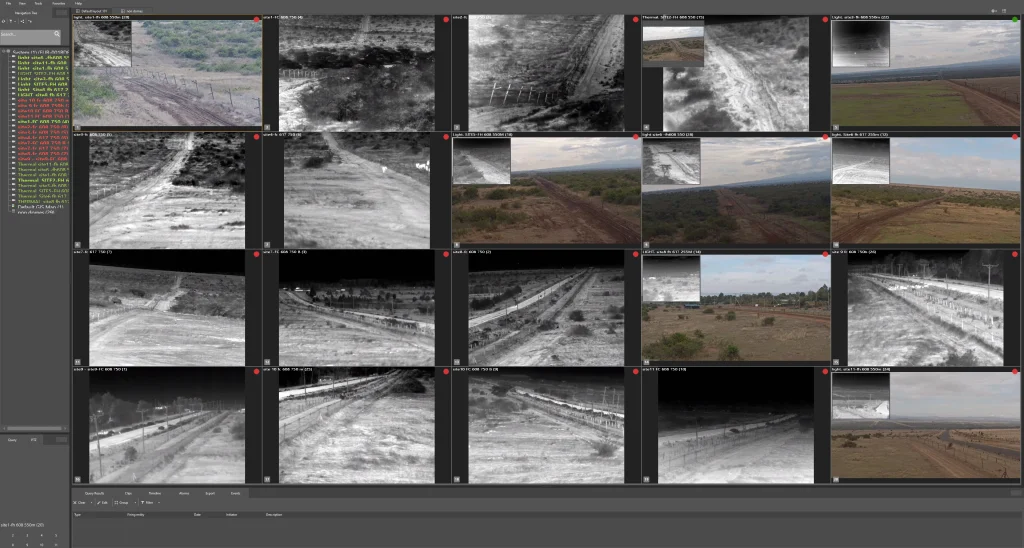
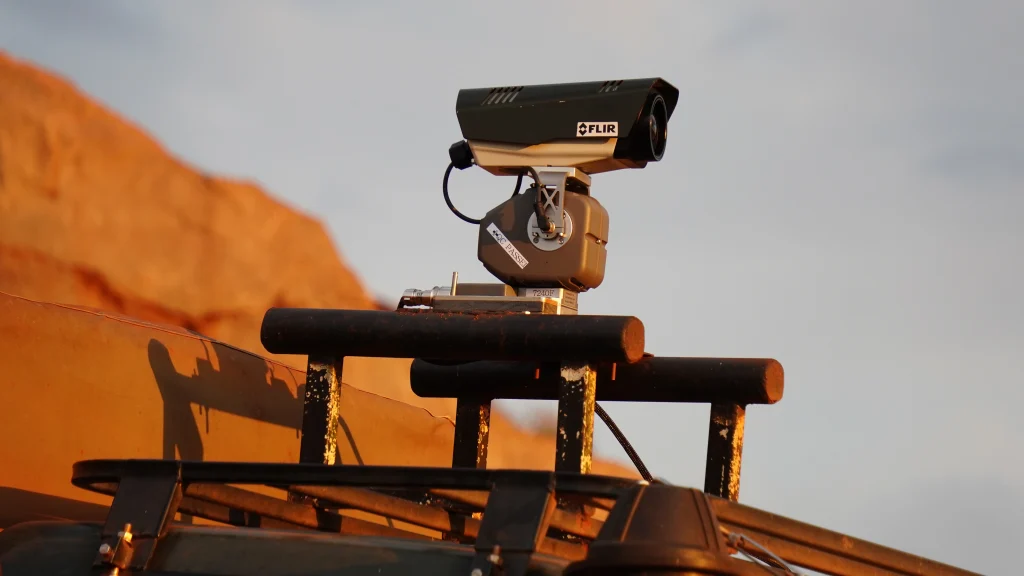
Advanced thermal surveillance cameras allow teams to detect movement at night and in difficult conditions by identifying heat signatures invisible to the human eye. Vehicle-mounted FLIR thermal cameras have improved ranger safety and effectiveness during nighttime operations.
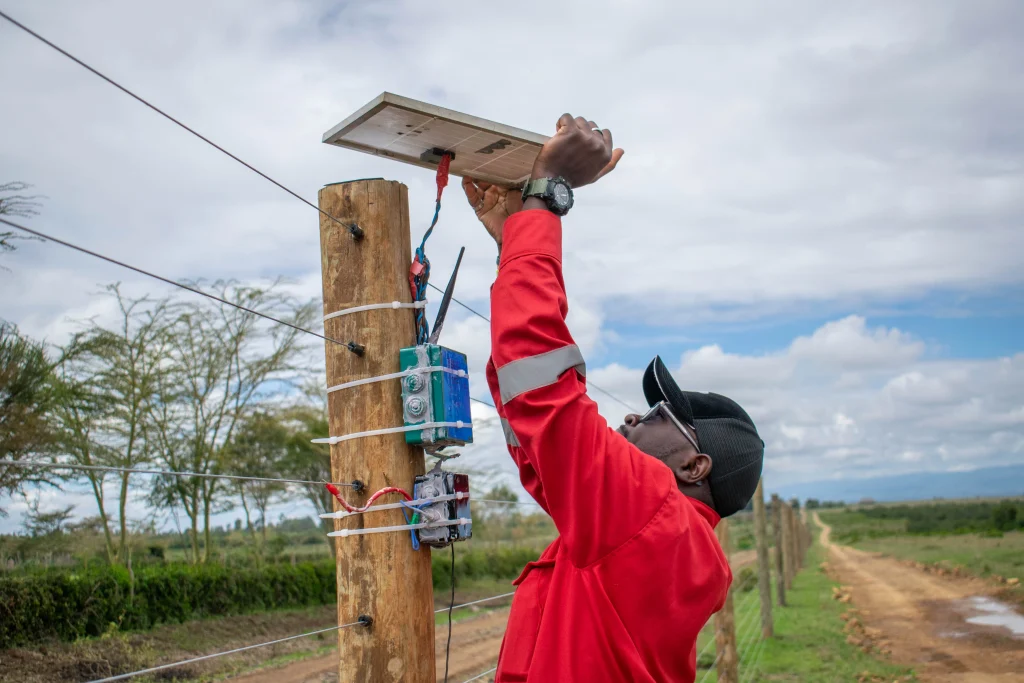
Ol Pejeta is also developing Early Warning Fence Monitoring Systems designed to identify unusual activity or possible breaches, allowing teams to respond before threats escalate.
These technologies are supported by a powerful digital backbone of communication networks, long-range connectivity and connected monitoring devices, ensuring that information can move quickly across the conservancy.
A smarter organisation from the inside out
Ol Pejeta’s digital transformation extends beyond wildlife protection.
Modern conservation depends on strong systems behind the scenes. Improvements to cybersecurity help protect critical information and infrastructure, while digital platforms for visitor booking, ticketing, human resources and payroll are improving efficiency and allowing teams to focus more time and resources on conservation.
These investments may happen away from the wildlife, but they are essential to building a stronger, more resilient organisation.
Leading the way and staying ahead
Technology has helped Ol Pejeta achieve an extraordinary milestone: nine years without a rhino poaching incident.
While conservation can never afford to become complacent, this achievement demonstrates what is possible when skilled teams, strong partnerships and innovative technology work together.
As the threats facing wildlife continue to evolve, so must the response. As those targeting wildlife gain access to new tools and technologies, conservation organisations must continue to innovate, adapt and stay ahead. Ol Pejeta’s smart approach — combining real-time intelligence, advanced monitoring systems and data-driven decision-making with the expertise of its conservation teams — is helping define the future of wildlife protection in Kenya and beyond.