
Before the break of dawn in Sweetwaters community, the daily chore used to begin with a heavy burden. For Ann Wairimu, it meant walking long, exhausting distances in search of firewood as local trees grew scarce. For Reginah Muthoni in neighbouring Mirera, it meant returning home to a cloud of stinging smoke that aggravated her failing eyesight.
For generations, cooking over an open fire has been a daily tax on the women from these communities—a tax paid in time, money, and health. But in 2026, the rhythm of the morning has changed. Thanks to an initiative by Ol Pejeta Conservancy, the heavy, smoke-filled mornings are being replaced by the quiet, efficient heat of a new jiko (cookstove), bringing profound changes to the heart of the home.
Reclaiming Time and Money
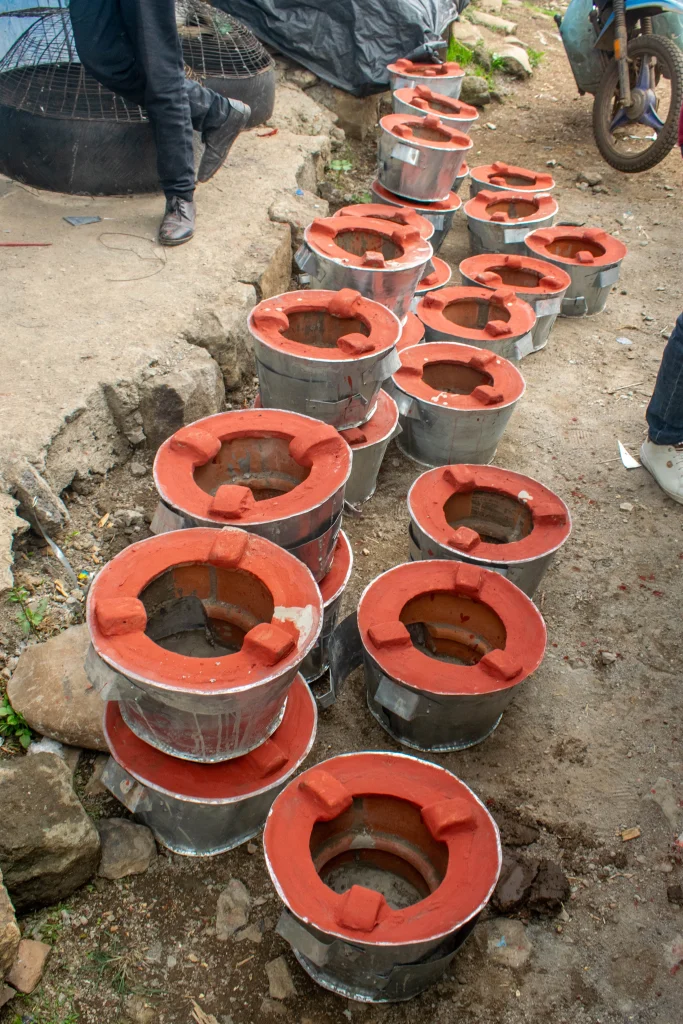
The improved energy-saving jikos, made from durable clay bricks, look simple, but their impact is profound and transformative. They cut cooking time by 55% and reduce fuel consumption by 50%. For the women using them, those statistics translate into something much more valuable: freedom.
“Before we got this jiko, we used to spend a lot of money buying firewood for cooking,” says Faith Kibenei, a resident of Sweetwaters community. “Now we buy much less because the stove uses very little fuel. The money we save can go towards other important household needs, such as farming activities and supporting our families.”
For Ann, the stove is a lifeline in a changing landscape. “These days, finding firewood and charcoal is not easy,” she explains. “There are fewer trees around, and sometimes you must walk quite far to find something to cook with. This jiko has really helped us because even the little firewood we manage to get is enough to prepare our meals.”
A Breath of Fresh Air
Beyond the economic and time savings, the new stoves are quite literally changing how these women breathe. Traditional open fires fill kitchens with thick smoke, leading to respiratory and eye issues.
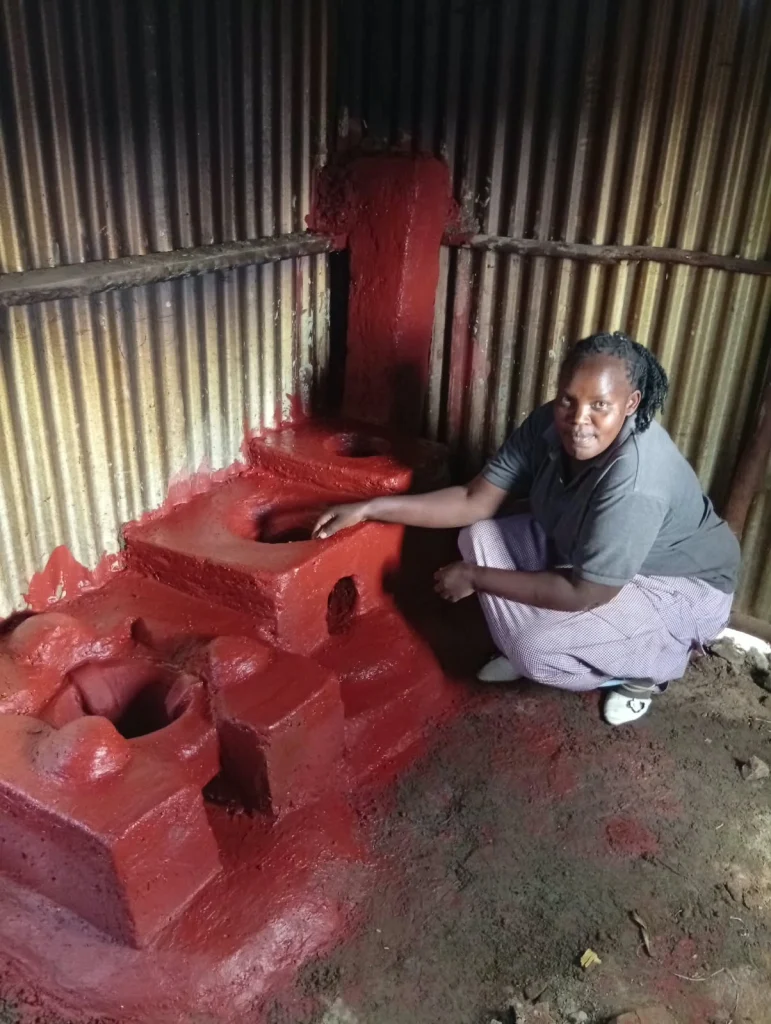
In Mirera community, Reginah Muthoni, who has long struggled with eyesight problems, found the traditional fireplace had become an unbearable challenge. “Since getting this improved jiko, I can now cook more comfortably because there is much less smoke,” she shares, her face relaxing at the memory of the change. “It has made a big difference in my daily life.”
In Chuma community, Lydiah Wangui notes how the stove has eased the physical toll of cooking. “I don’t have to keep adding wood to the fire every now and then,” she says. “It saves fuel and makes cooking less tiring.”
Built by the Community, for the Community
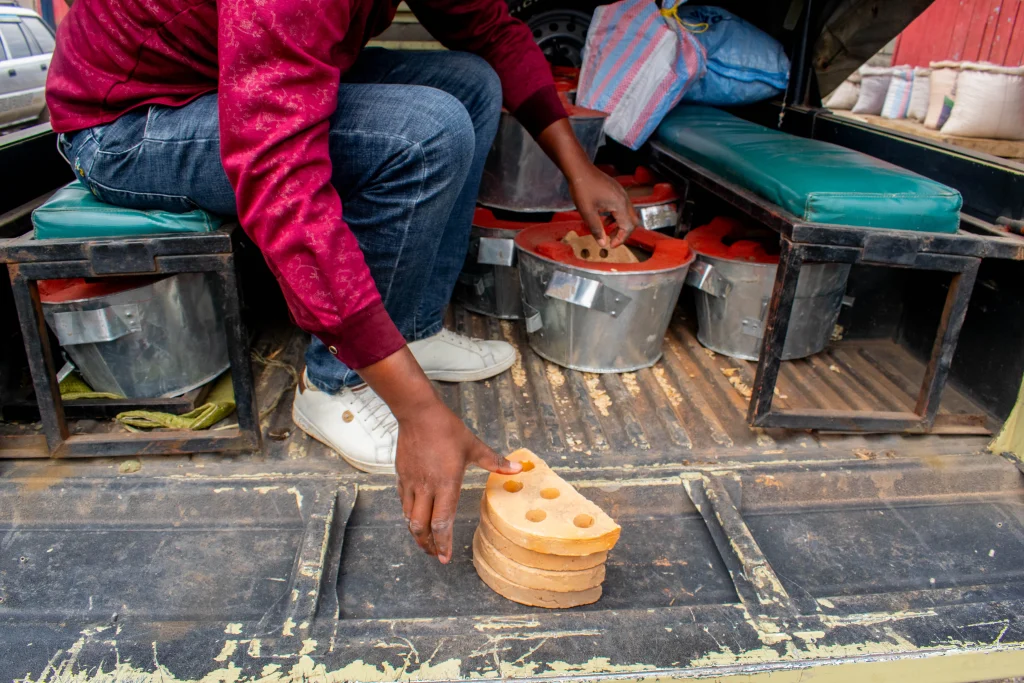
What started in March 2025 with support from the Darwin Initiative—and is now carried forward by funder Die Ofenmacher—has quickly grown. To date, a staggering 745 stoves (both portable and permanent models) have been distributed across 22 communities living within a 5km radius of Ol Pejeta Conservancy.
The true brilliance of the project lies in how the stoves are made. Ol Pejeta didn’t just bring in equipment; we trained local makers to build, repair, and maintain them. By keeping the skills within the community, we ensure that a stove can be repaired by a neighbor long after the initial project phase ends, creating local livelihoods in the process.
A Ripple Effect of Change
Perhaps the most beautiful indicator of the project’s success is found in an unlikely source: in the curiosity of neighbors. In Chuma community, women from nearby households have been peeking over fences to see these stoves for themselves, impressed by the convenience. Many are now asking to have one built for their own homes.
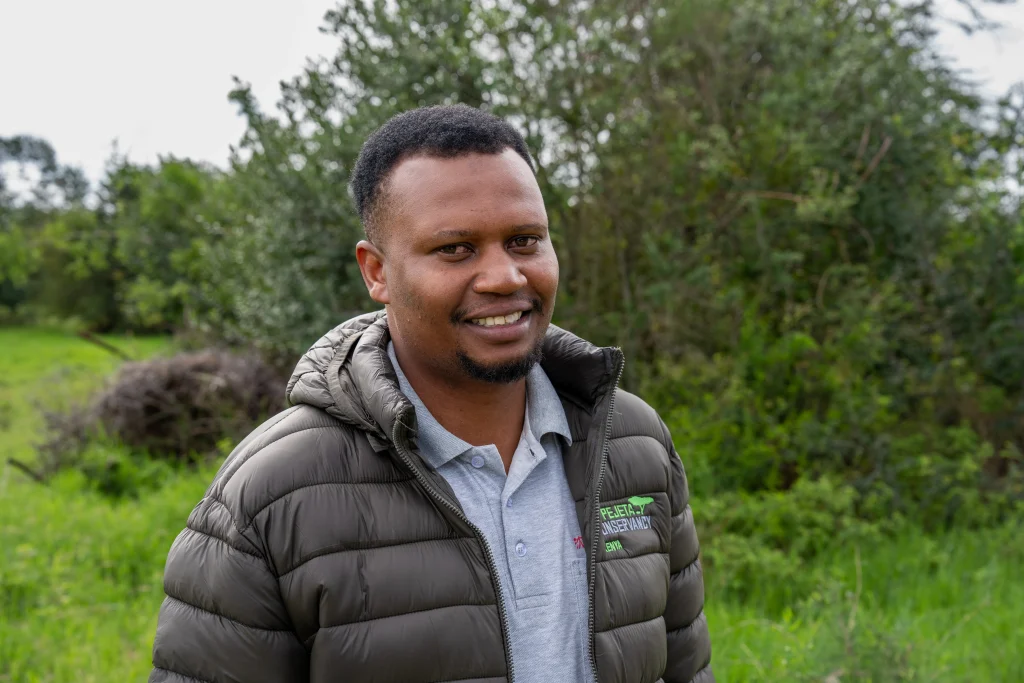
Project Lead Joseph Ikaria sees this ripple effect every day.
“One of the most encouraging signs of the project’s impact is the growing demand from households,” he says. “I receive calls from people across almost all the communities we work with, requesting more stoves and asking when we can extend the programme to their households.”
Conservation Through Community
At Ol Pejeta, community livelihoods and wildlife conservation are deeply intertwined. By reducing the daily dependence on firewood and charcoal, the project eases the pressure on local ecosystems, helping the landscape heal while helping households thrive.
“By reducing dependence on firewood and charcoal, the project is also helping communities adapt to increasing pressure on natural resources,” Joseph explains.
Conservation only truly works when the people who live alongside wildlife share in its benefits. A cleaner kitchen, a lighter fuel bill, and a new local skill might seem like small things on their own. But for Faith, Reginah, Ann, Lydiah, and hundreds of other community members, they constitute a brighter, healthier, and more resilient future.
Written by Sam Miller