
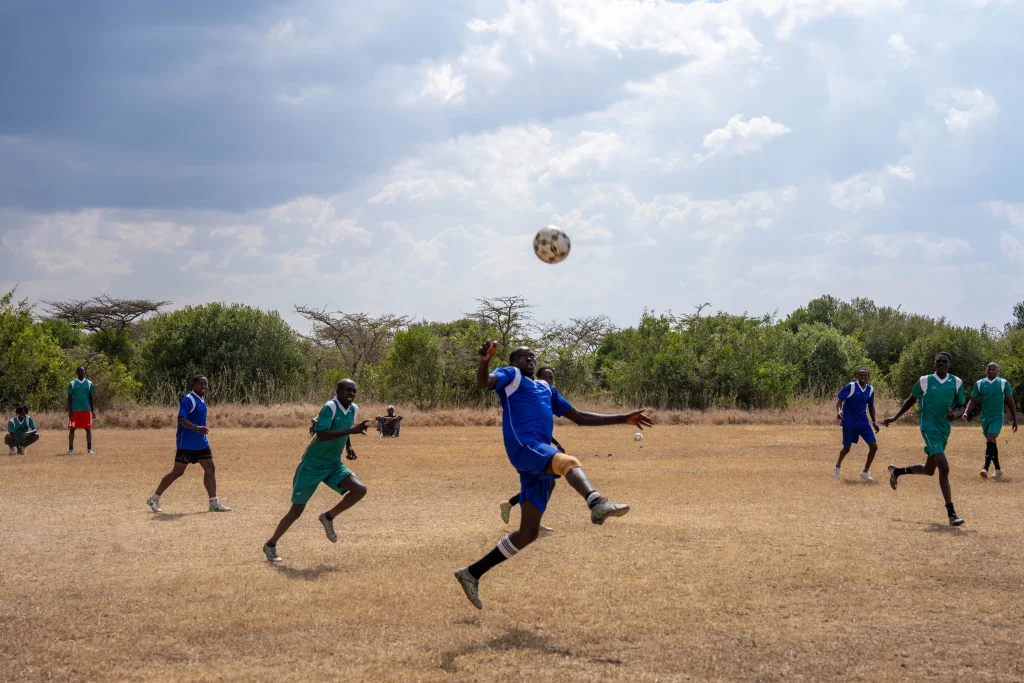
Between Monday to Friday, Ol Pejeta is a high-stakes theater of wildlife conservation. Anti-poaching rangers patrol rhinos, veterinary teams race against the clock for life saving interventions, and researchers meticulously track ecological data. It is a relentless, high-octane mission to work in Ol Pejeta Conservancy.
But come the weekend, the tempo shifts.
With the FIFA international break pausing club football across the globe, the beautiful game doesn’t just dominate the television screens in the staff camps—it spills out onto the dirt pitches of the conservancy itself. It’s a vibrant reminder of the human heartbeat behind the hard work. Beyond the rhino tracking, the dart guns, and the grueling hours, there is a distinctly different side to life at the ranch when the workweek ends. Out on the pitch, the staff aren’t just conservationists; they are teammates, rivals, and passionate fans.
Ultimately, the weekend kickoff serves as a vital reminder: protecting the wild is a marathon, not a sprint. And sometimes, the most important thing you can do for the mission is simply lace up your boots, step off the frontlines, and take a well-earned break. When the grueling week winds down, the staff at Ol Pejeta trade their radios and binoculars for football boots and jerseys. Across the sprawling conservancy, an informal but fiercely contested football tournament is providing a vital outlet for staff to decompress and recharge.
The matches, played in both 11-a-side and seven-a-side formats, draw participants from every corner and department of Ol Pejeta. Teams are assembled from a cross-section of the workforce, effectively dissolving departmental silos. On the pitch, the hierarchies and specialized roles of the workplace vanish.
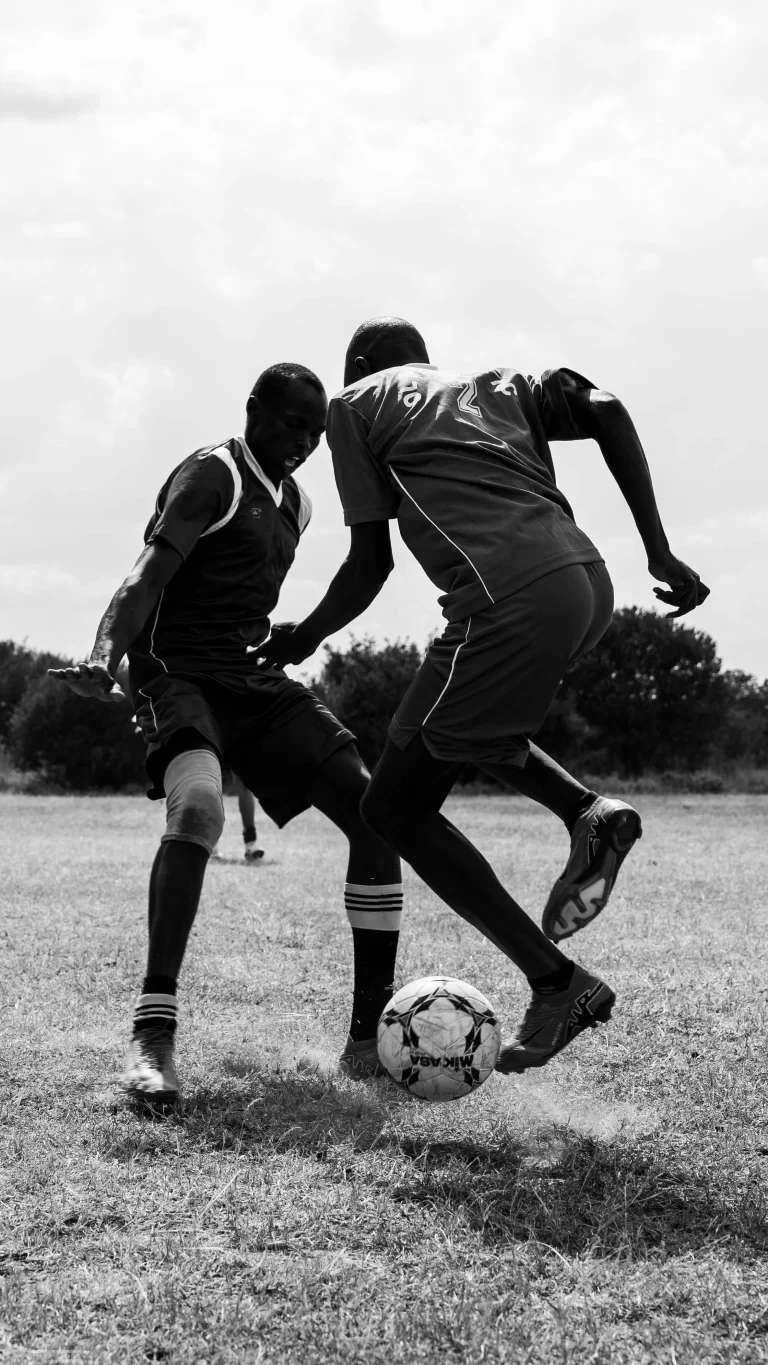
Anti-poaching rangers, veterinarians, ecological researchers, hospitality workers, and drivers are united by a shared pursuit of camp bragging rights and local glory.
The atmosphere strikes a careful balance between fierce competition and lighthearted recreation. During the weekdays, conversations revolve around wildlife sightings, anti-poaching patrols, and logistical field operations. On the pitch, the dialogue shifts to tactical formations, missed scoring chances, and passionate perspectives over refereeing calls. Ultimately, the tournament serves as a crucial bonding exercise, forging connections among colleagues who rarely interact in their daily routines. The egalitarian nature of the sport ensures that everyone has a role to fulfill, regardless of their rank. Out on the grass, a seasoned ranger might find themselves taking tactical cues from a hospitality worker, while a senior researcher relies on a driver to set up a play.
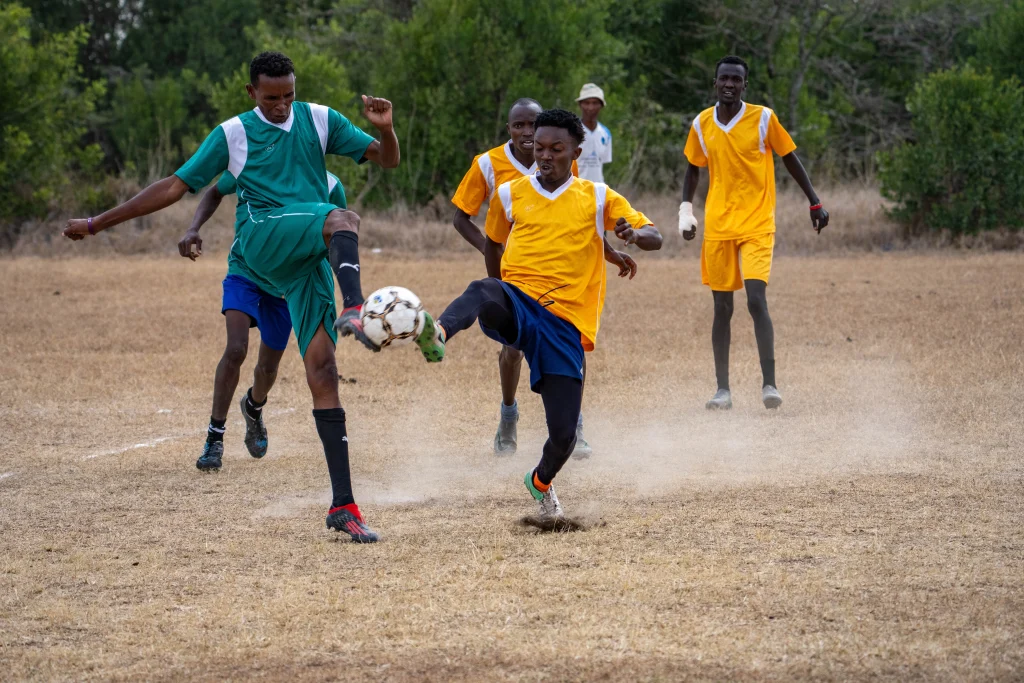
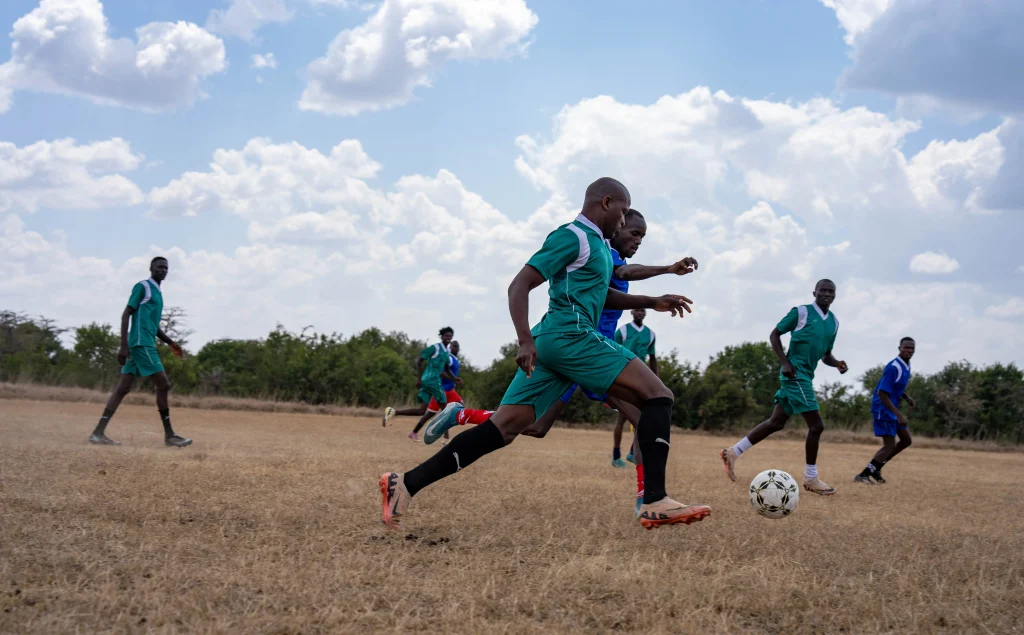
But beyond the tactical battles and the pursuit of camp bragging rights, these weekend fixtures serve a far more vital purpose: they forge a strong community. Conservation is a grueling industry. It demands long days, thrives on unpredictability, and carries the heavy burden of safeguarding Kenya’s most critical wildlife and ecosystems. In a line of work where the stakes are always high and the margins for error are slim, the psychological toll can be immense.
That is precisely what makes these moments of respite so crucial. The football pitch offers a vital space to decompress, share a laugh, and build friendships outside the shadow of daily responsibilities. It serves as a clear reminder that behind the ranger uniforms, the data sheets of the researchers, and the tireless drive of the support staff are everyday people who need time to simply connect and have fun. For a few hours, the conservancy becomes less about high-stakes operations and more about the human beings who make it run.

When the game kicks off, the atmosphere transforms. Teams clash, supporters cheer, and the heavy pressures of the week dissolve into the background. Ultimately, the weekend tournament underscores a fundamental truth of environmental stewardship: to effectively protect the landscape, you must first take care of the people who defend it. And sometimes, that means simply giving them the space to breathe, play, connect, and recharge.
Written By Kevin Kipruto