
For Jackson Lomnyak, cattle are more than just livestock.
Growing up in Laikipia’s arid rangelands, cows paid for his education, fed his family, and provided security during difficult times. Like many pastoralists living along the northern border of Ol Pejeta Conservancy, Jackson’s life has always revolved around cattle.
“For us, cattle are not just assets,” he says. “They mean dignity and survival “
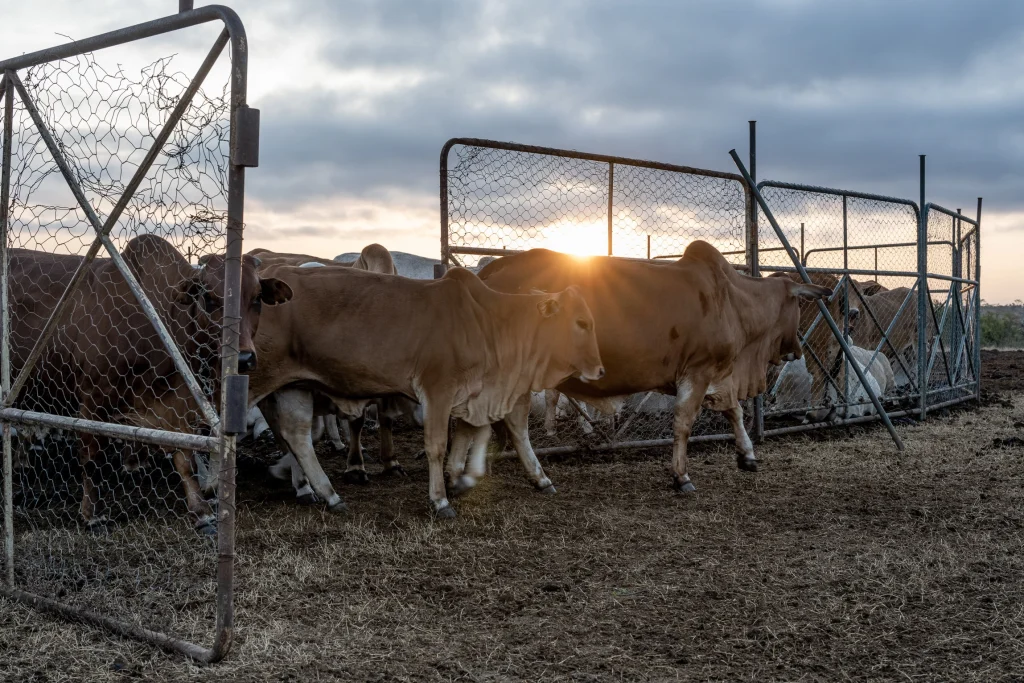
Yet despite owning livestock, earning a fair income from them was never guaranteed.
For years, Jackson and other pastoralists would wake before dawn and travel very long distances to livestock markets, hoping to sell an animal. But there were no guarantees. Prices were often determined by brokers, animals were assessed on appearance rather than objective measures, and many farmers returned home without making a sale.
“You could rise at dawn and walk for hours with your animals, but return home without selling anything,” Jackson recalls. “Even when you did sell, the buyer decided the price. You had very little power.”
The uncertainty made it difficult for families to forward plan. School fees, household expenses, and emergency needs often depended on a market system that many pastoralists believed was stacked against them.
Today, that reality is beginning to change.
Through Ol Pejeta Conservancy’s Cattle-to-Market Program, supported by the Darwin Initiative, pastoralists are gaining access to a fairer and more reliable way to sell their livestock. Instead of relying on bargaining and visual assessments, cattle are weighed using standardized scales. Animals that meet the required weight are purchased through a transparent process that removes guesswork and reduces opportunities for exploitation.
For Jackson, the difference has been transformative.
“At Ol Pejeta, the cow sells itself,” he says. “There is no arguing or bargaining. The animal is weighed, and if it meets the requirement, it is taken. Prices don’t fluctuate unexpectedly, and payment is reliable.”
The payment is typically made within seven working days, giving families greater confidence and financial stability. Purchased cattle are then quarantined to eliminate the risk of disease, and fattened up for six months before sale, with livestock owners later receiving an additional bonus payment from the profits at the end of the year
The impact is already being felt across participating communities. In just two years, the program has facilitated more than KES 35 million (approximately US$ 270,000 or £210,000) in direct payments to pastoralists, helping households pay school fees, meet daily needs, and invest in their futures.
According to Ol Pejeta’s Livestock Extension Officer, Dr. Paul Waweru, the initiative represents more than just increased income for the pastoralists.
“It reflects a fundamental shift from unpredictable, broker-driven markets to a transparent, weight-based system that guarantees fairness, timely payments, and trust.”
Challenges remain, particularly during drought periods when livestock struggle to meet minimum weight requirements. However, the program is proving that the real value lies not only in selling cattle, but in giving pastoralists a fairer system, more reliable income, and greater control over their futures.
For Jackson, the change is simple but profound: a system that finally recognizes the true value of his cattle—and the people who depend on them.