
Wildlife doesn’t know where a fence line begins or ends. Animals move with the seasons, the rains and the instincts that have guided them for generations, and conservation works best when it makes room for that.
That is the thinking behind the wildlife corridors at Ol Pejeta, which connect the conservancy to the wider Laikipia ecosystem.
How the corridors work
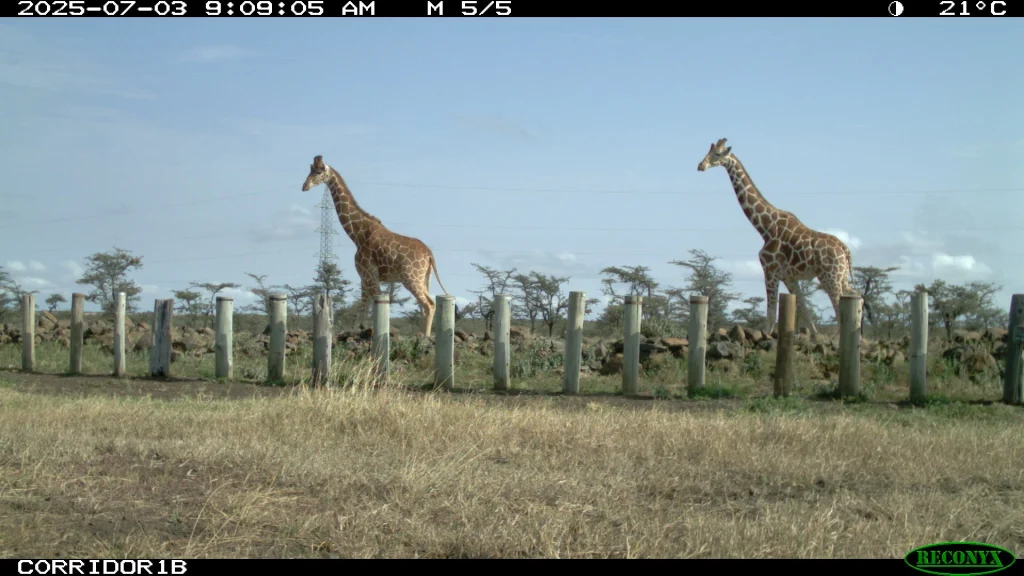
There is nothing complicated about them. Each corridor is a gap in the fence line, with wooden posts set across it. Most wildlife can walk over or between the posts and carry on their way.
The one exception is the rhino. The posts are placed so that rhinos cannot pass, which keeps them within the conservancy.
Not an island
Ol Pejeta is not an area marooned in the middle of a changing landscape. It is one part of a much larger, connected system.
The corridors allow continuous movement of wildlife between southern and northern Laikipia, with Ol Pejeta as a link in that chain. An elephant leaving the conservancy is not walking into a dead end. It is joining a route that stretches well beyond our boundaries.
That connectivity is a big part of what makes Laikipia such an important landscape for wildlife. Conservation is far stronger when it works across boundaries, and the corridors are one way we play our part in the wider ecosystem.
Why freedom of movement matters
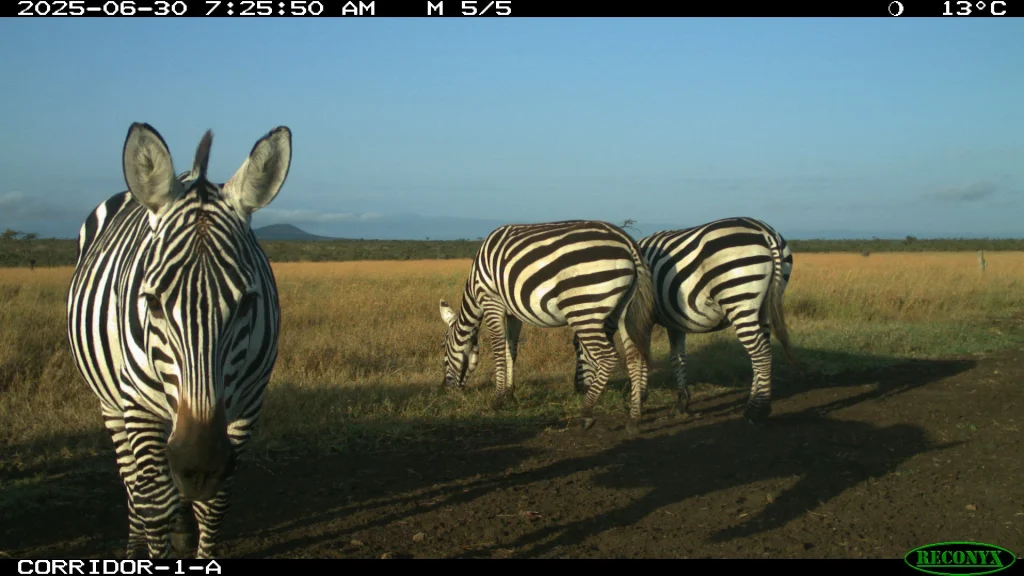
The corridors let elephants follow their traditional migratory routes and respond to changing climate patterns, moving in search of food and water as conditions shift.
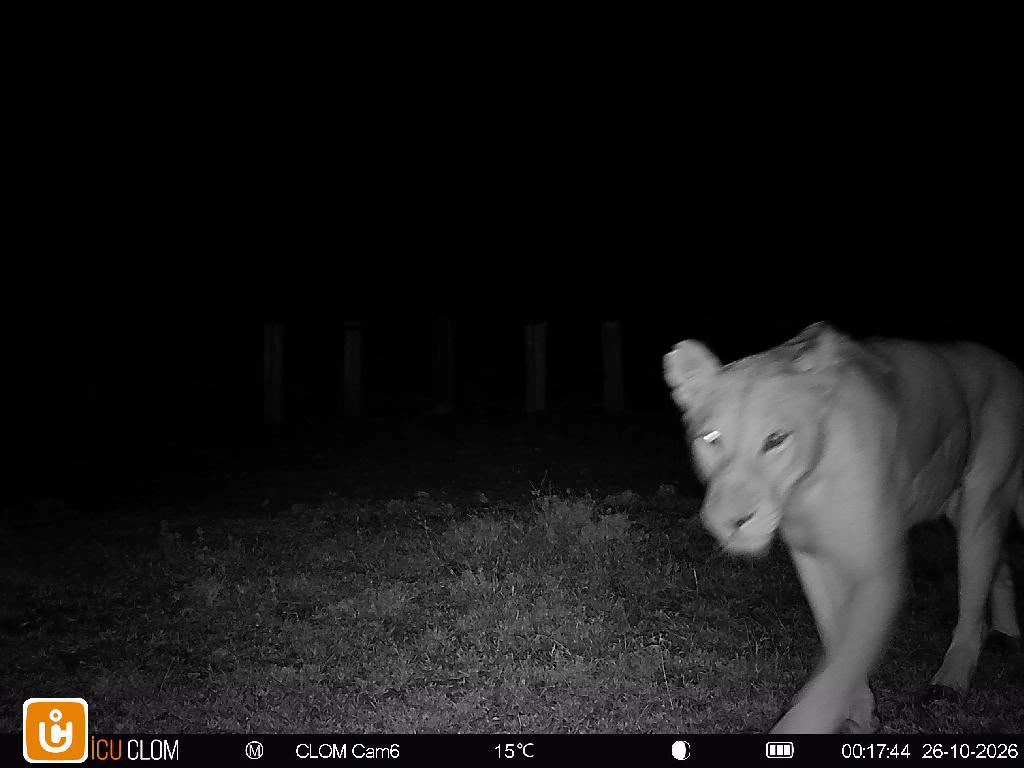
They are also the reason we sometimes see wild dogs passing through the conservancy, or new male lions arriving in the hope of taking over a pride of their own. That movement matters. It supports healthy biodiversity and keeps populations genetically diverse, which is vital for their long-term resilience.
The corridors are also placed strategically, away from local communities. That lets wildlife move naturally while helping to avoid human-wildlife conflict, which is important for the people we share this land with.
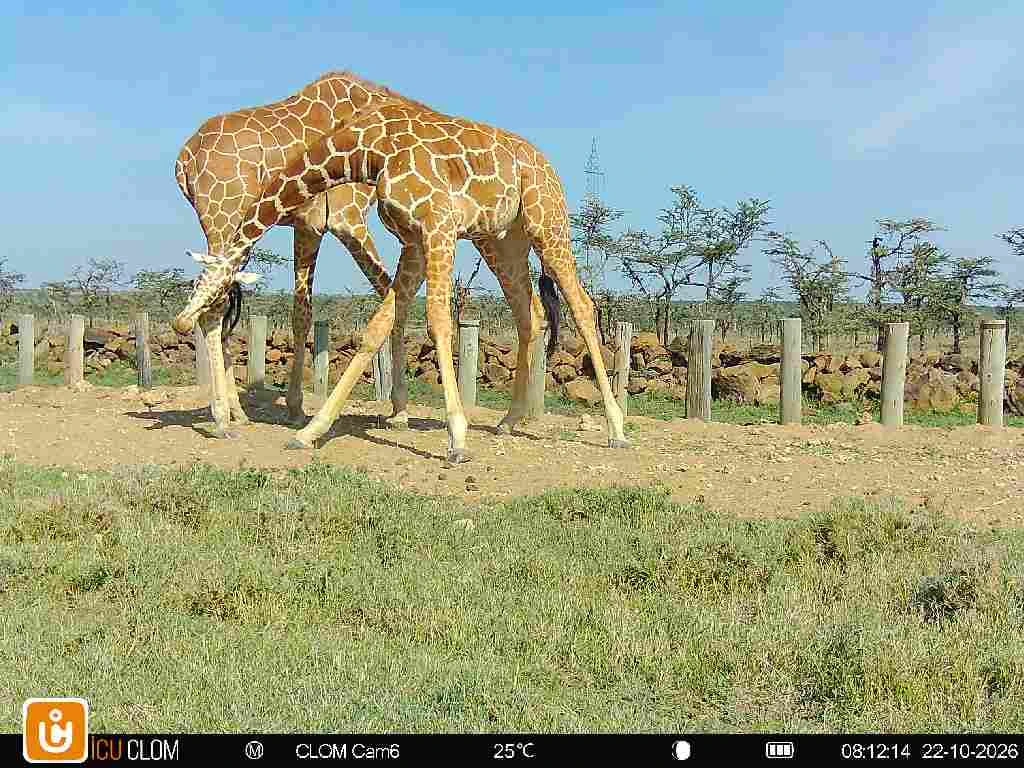
Monitored day and night
Of course, a corridor is only useful if we know what is happening at it. That is where our camera traps come in.
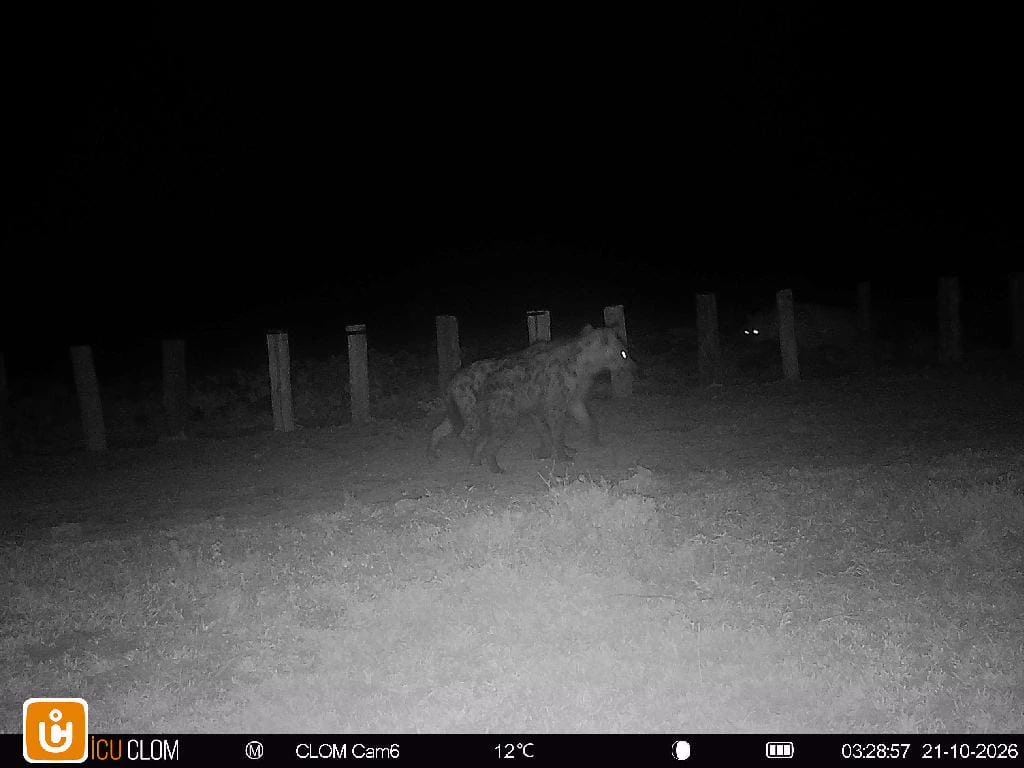
Every corridor is monitored 24/7 by state-of-the-art camera traps, developed with Impact Steps. Using the latest technology, they transmit images automatically and directly to our conservation teams. There are no memory cards to collect and no waiting weeks to find out what passed through. The information reaches us as it happens.
That means we can see which species are using the corridors, how often and when, and respond quickly if something needs our attention. It is wildlife management that is effective, innovative and happening in real time.
Why it matters
Simple ideas, backed by good technology, can go a long way. The corridors give wildlife the freedom to move, and the camera traps give us the understanding to protect it. Together they are another cornerstone of Ol Pejeta’s conservation success, and a reminder that the conservancy is part of something much bigger than itself.
Written By Sam Miller