
“Try waking me up in the middle of the night, and I can literally identify each individual lion at the conservancy just by the look of its whiskers” says Christopher Waigwa popularly known as Bwana Simba. Chris began his journey in predator monitoring at Ol Pejeta back in 2014 working at the Ecological Monitoring Unit, as a lion ecologist. His work makes it easier for us to understand the king of the jungle, protect its habitat and safeguard a sustainable future for this big cat.
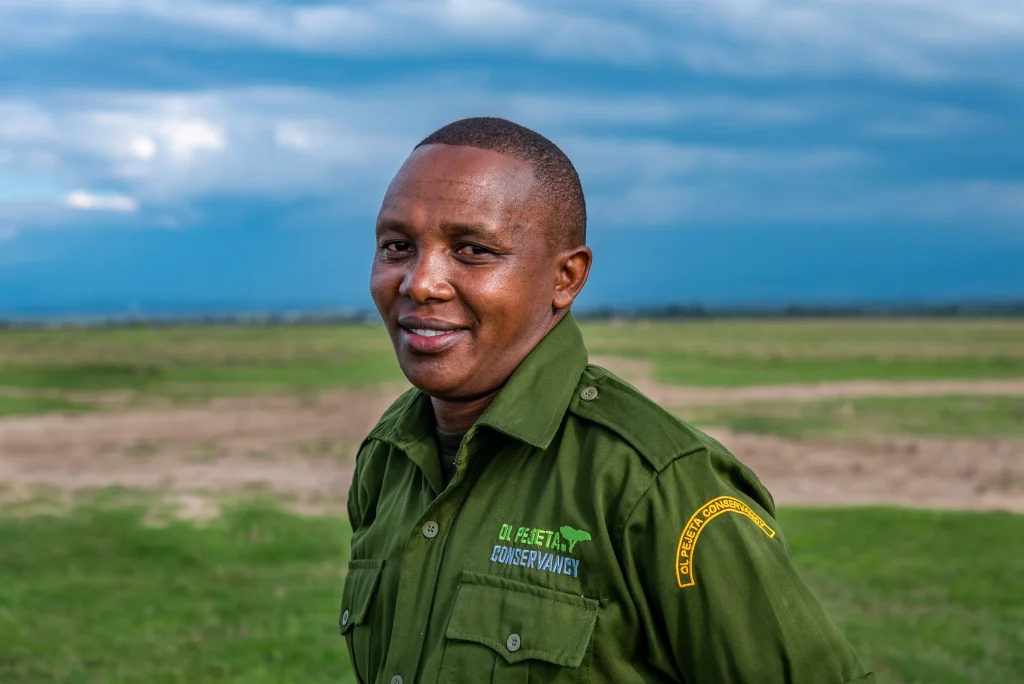
From a young age, Chris says he’s always been fascinated by lions. “Did you know that lions do not chew their food – they just bit and swallow it” he explains.
At Ol Pejeta, we have 5 prides of lions: Bima, Sela, Utalii, Ajali and Wanjiku, with a total population of over 80 lions, uniquely positioning Ol Pejeta as a destination with one of the highest predator densities in Africa. Lions split into smaller groups when they turn 3 to 4 years old due to a variety of reasons. When mating males reach maturity, they are forced out by other older males to prevent inbreeding. Other reasons for a split within groups include pride takeover, overcrowding, territorial fights, the urge for a nomadic life amongst some individuals, and competition for food.
The presence of big cats like lions indicate a healthy thriving ecosystem. Lions play a critical role to help maintain ecosystem balance by preying on herbivores such as buffaloes, zebras, antelopes and giraffes. Their action helps to control herbivore populations to prevent overgrazing and maintain healthy grasslands.
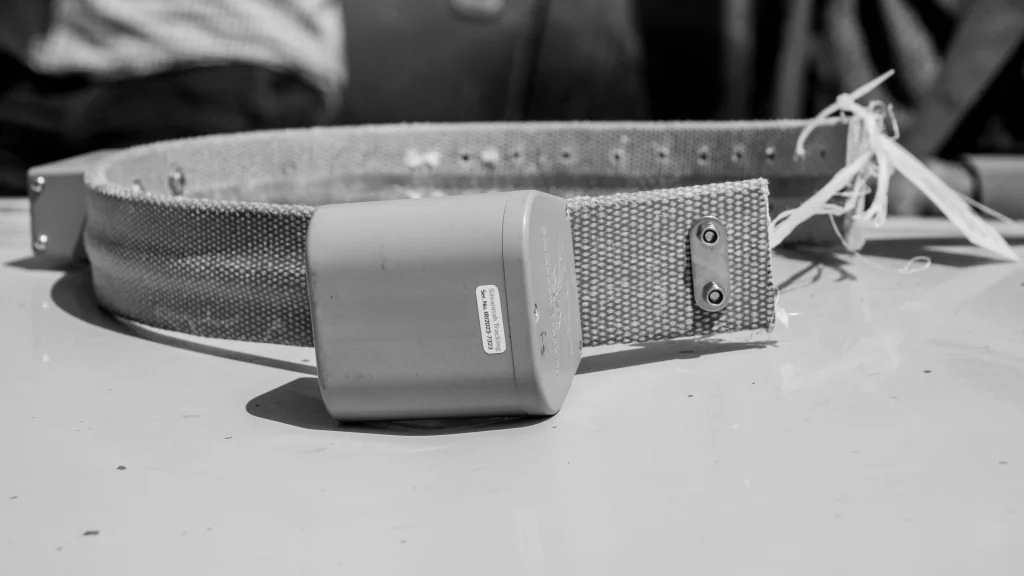
Many may ask: why do we collar lions? Are the devices / gadgets used to collar a lion safe for them?
Lion collaring is a wildlife conservation and research technique where an individual is fitted with a GPS collar around its neck to track its movement, understand behavior, mitigate human-wildlife conflict, to help protect the endangered species and livestock by frequent monitoring and proactive management.
Research indicates that when collars are properly designed and fitted by professionals, they do not cause injury or change the lions’ natural behavior such as hunting, sleeping, and social interactions, making them friendly to the animal with minimal discomfort. Chris and his team normally conduct predator monitoring on a daily basis to make sure that the data is up-to-date.
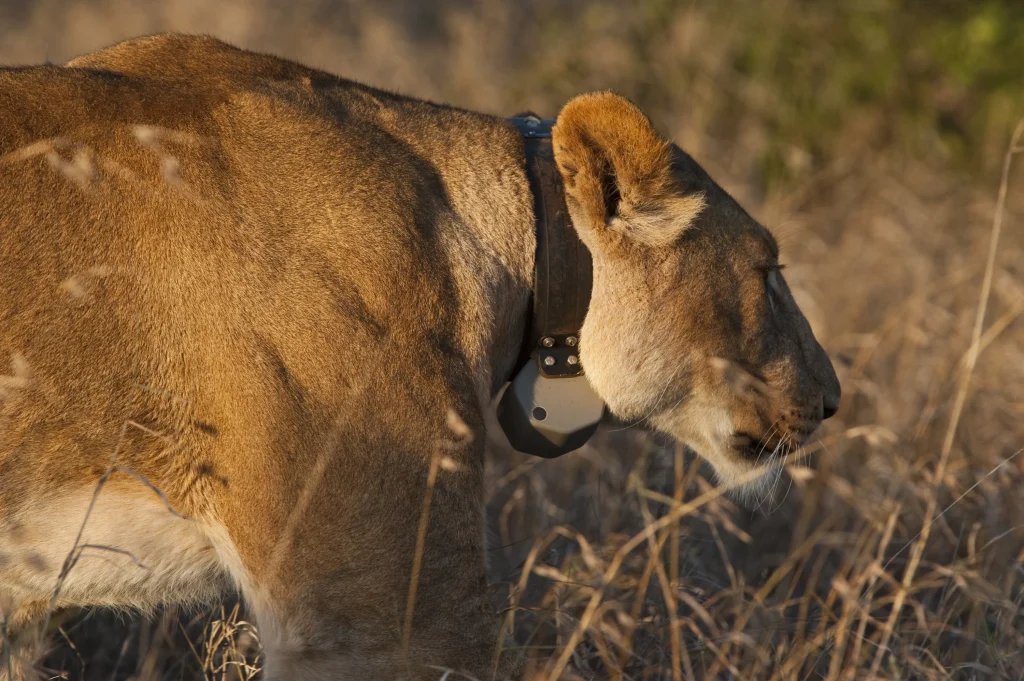
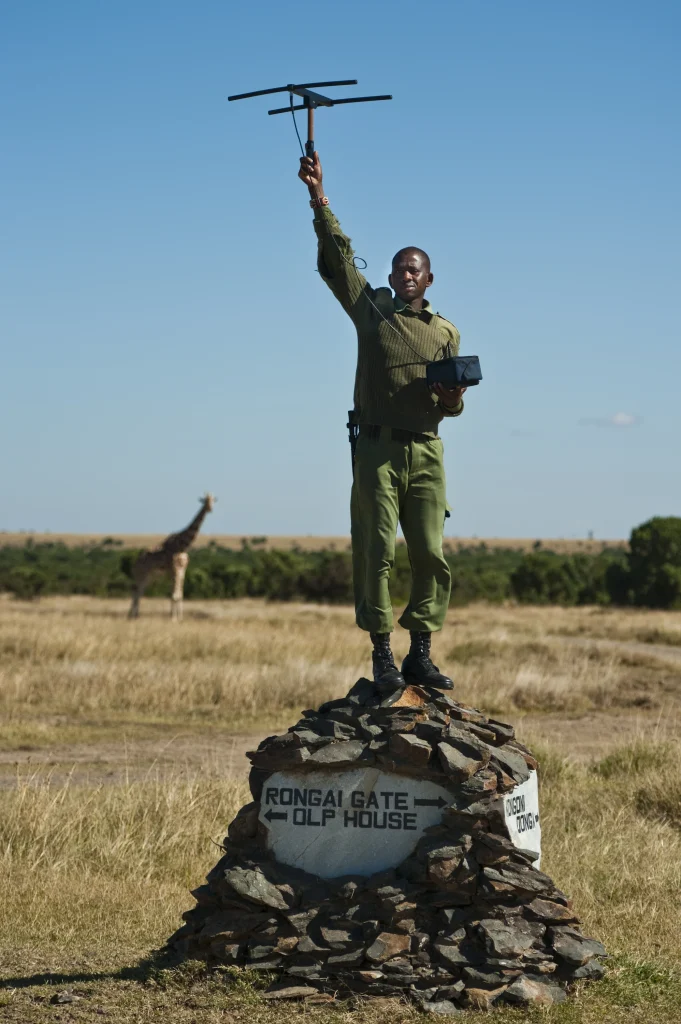
At Ol Pejeta Conservancy we apply modern technology, such as GPS collars that are connected to Earthranger, which provides us with real-team data into the lions’ movements and habitat use. This helps us avert potential problems like human wildlife conflict and enables us to respond swiftly with effective management tactics.
Selecting the right lion to collar is a decision that is important for ecologists like Bwana Simba to make. “We need to collar specific lionesses with certain characteristics. She must be a middle- aged adult, fertile, always sticking with her pride and demonstrating strong hunting skills,” explains Christopher. “When we collar a lioness, it’s not only for research purposes, but also to help us protect her pride, and the entire ecosystem at Ol Pejeta” he adds.
GPS collars have a downside to them – they have limited battery life. This is why we conduct routine re-collaring (replacing an old or expired tracking collar with new ones) to ensure the gadgets are in tip top shape. It also allows our conservationists to prevent other inherent risks such as irritation over time, changing research needs, and strengthen our long term conservation management. Recently, we recollared our iconic Sela pride after a collar on the main lioness had reached its shelf life.
In conclusion, through careful monitoring and use of innovative modern technology, we’re ensuring that peaceful co-existence thrives. Curious on how lion tracking is conducted by Christopher Waigwa and his research team or rather you’d like to spend a day with them while collecting data from the collared lion? Book a lion tracking experience with us to get deeper understanding.
Beyond tracking and protecting lions, Ol Pejeta also gives supporters a unique opportunity to directly contribute to lion conservation through our Lion Naming Package. By naming a lion, you become part of its story and help support ongoing predator monitoring, research, and conservation efforts across the conservancy.
To learn more about the lion naming package or become part of the initiative, visit:
Ol Pejeta Lion Naming Package
Written by: Kendi Mithika